The Role of CNC Machining in the Automotive Industry: Precision, Efficiency, and Innovation

TL;DR: CNC machining is a cornerstone of modern automotive manufacturing, enabling high-precision, repeatable production of complex parts like engine components, transmission systems, and custom prototypes. Its speed, accuracy, and versatility make it indispensable for both mass production and R&D.
How CNC Machining Works in Automotive Manufacturing
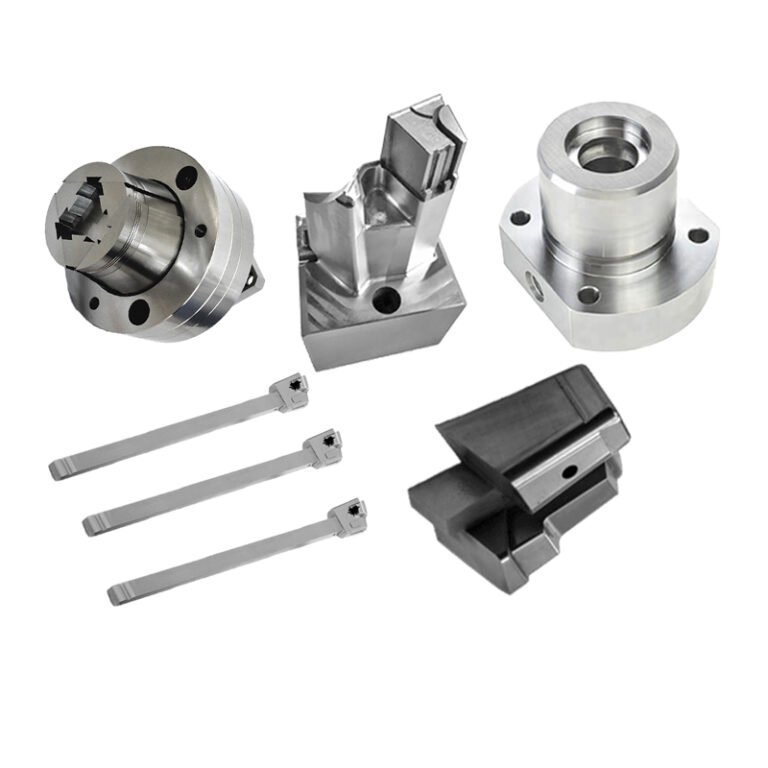
CNC (Computer Numerical Control) machining uses pre-programmed software to control tools like lathes, mills, or grinders. In the automotive sector, this process ensures micron-level precision for critical parts. Key principles include:
- Digital Design Integration: CAD/CAM files guide the machining process.
- Automated Tooling: Multi-axis machines (3-axis to 5-axis) handle complex geometries.
- Material Optimization: Minimizes waste compared to manual methods.
CNC Processes & Materials in Automotive Applications
| Process | Common Automotive Uses | Materials |
| CNC Milling | Engine blocks, gearboxes | Aluminum, steel alloys |
| CNC Turning | Axles, bushings | Stainless steel, titanium |
| EDM (Electrical Discharge Machining) | Fuel injectors, sensors | Hardened metals |
| Swiss Machining | Precision screws, valves | Brass, copper alloys |
Why Automotive Brands Rely on CNC Machining
- Speed: Rapid prototyping accelerates design cycles.
- Consistency: Near-identical parts for assembly lines.
- Complexity: Achieves intricate designs (e.g., turbocharger vanes).
- Durability: Hard metals withstand extreme conditions.
Real-World Automotive CNC Applications
Tesla uses CNC-machined battery housings for weight reduction. BMW employs 5-axis CNC to craft lightweight aluminum chassis components. Aftermarket brands like Brembo rely on CNC for high-performance brake calipers.
FAQ: CNC Machining in Automotive
- Q: Can CNC machining handle electric vehicle (EV) parts?
A: Yes—EV motor housings and cooling systems often use CNC-machined aluminum. - Q: How does CNC compare to 3D printing for auto parts?
A: CNC offers superior strength for load-bearing components; 3D printing suits prototypes. - Q: What’s the typical tolerance for automotive CNC parts?
A: ±0.005 inches (0.127mm) or tighter for critical assemblies.
Upgrade Your Automotive Production with CNC
Ready to integrate CNC machining into your automotive supply chain? Request a quote from certified CNC suppliers specializing in automotive-grade materials and tolerances.
From concept to production, CNC machining drives automotive innovation—combining precision engineering with the demands of tomorrow’s vehicles.
🚀 Let’s Build Precision Together
When quality, speed, and reliability matter, Ruixin Mold is your trusted CNC machining partner. No matter how complex your part design is, we can deliver components that meet the strictest standards.
👉 Contact us today to discuss your CNC machining needs or request a quote.
Let’s turn your ideas into reality—with precision that performs.