Why ‘Zero Tolerance’ in CNC Machining Is a Myth—and What Really Matters

TL;DR: The idea of “zero tolerance” in CNC machining is unrealistic due to inherent material behaviors, machine limitations, and environmental factors. What truly matters is controlled tolerance management, balancing precision with practicality to optimize cost, efficiency, and quality.
In the world of CNC machining, few phrases get thrown around more casually—and misunderstood more deeply—than “zero tolerance.” It sounds impressive, like a badge of honor for precision and perfection. But here’s the reality: zero tolerance does not exist—at least, not in the way most people think.
So, what’s really going on when we see those mesmerizing videos of two metal parts fitting together so seamlessly it seems like magic?
Let’s break it down.
🚫 What People Think “Zero Tolerance” Means
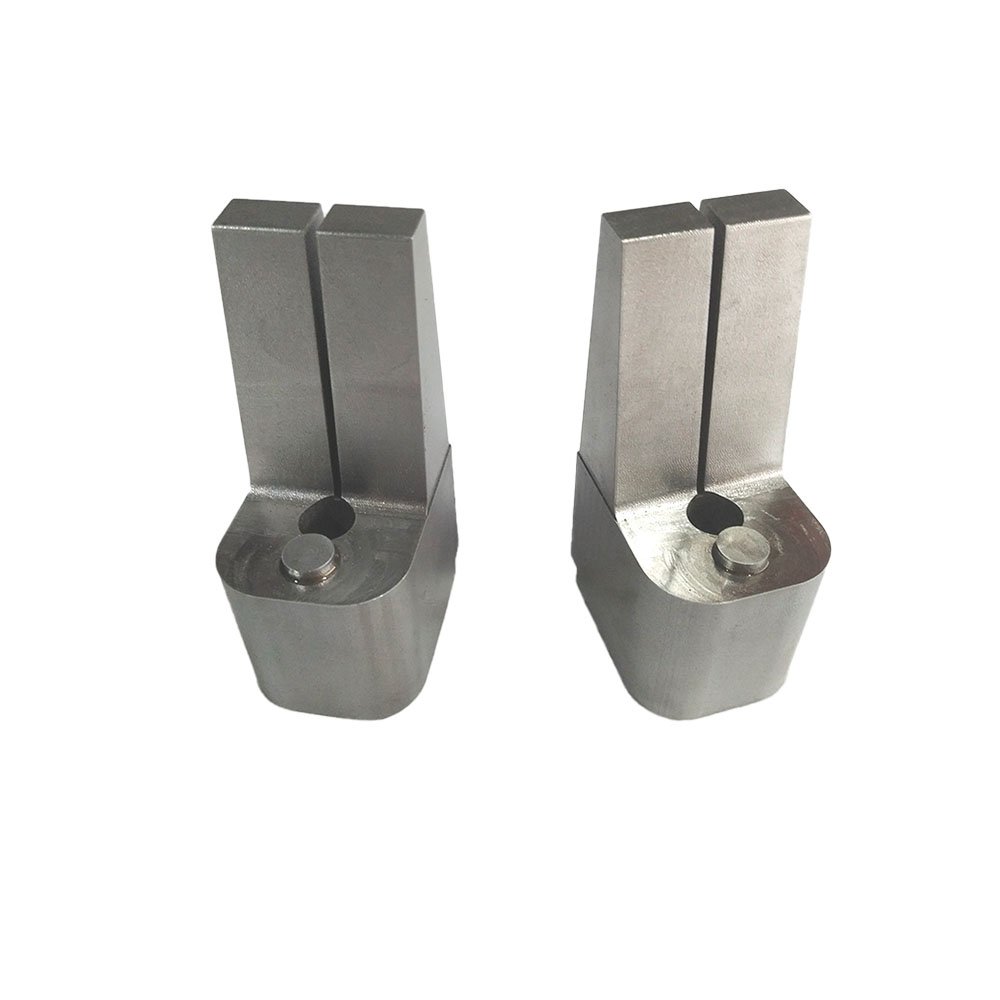
To the untrained eye, a pair of precision-machined metal blocks that appear to meld together flawlessly must be examples of zero tolerance, right?
Not quite.
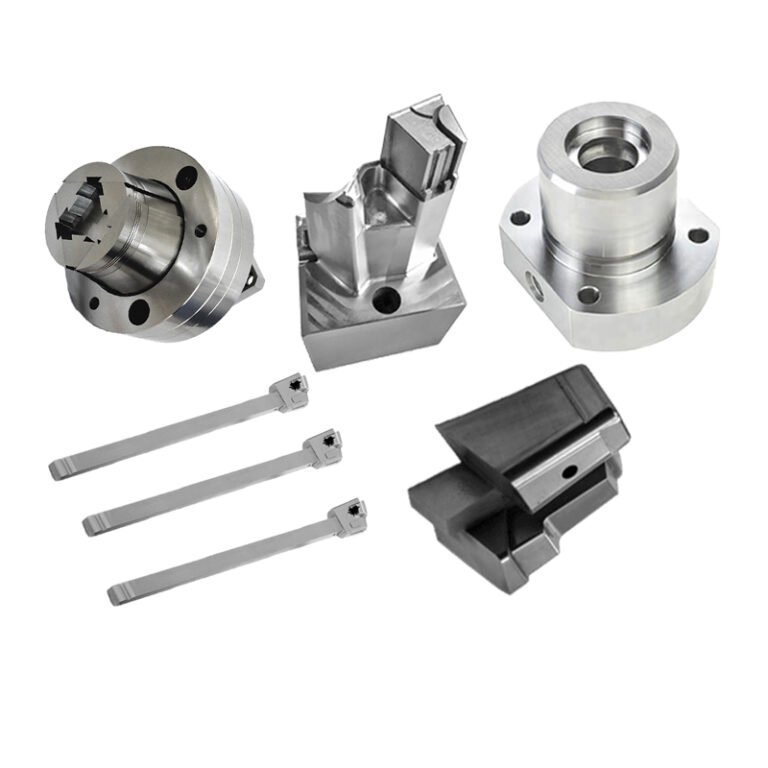
While these parts may indeed have extremely tight tolerances—often in the range of ±0.0001 inches (or about 2.5 microns)—there’s always some allowable deviation. Without it, components wouldn’t fit together at all. And if they did? You’d never be able to pull them apart again due to vacuum pressure and molecular bonding.
In fact, even the most high-end components in aerospace or semiconductor industries rely on defined tolerances—not the absence of them.
Recently, a video made rounds on social media showing what looked like a single block of metal being pulled apart into two perfectly mated halves. As a CNC machinist pointed out in a comment:
“This is a trick. The parts are surface ground together to hide the seam. They’re not one block split in half—they’re two separate parts made to fit.”
What made the illusion work?
-
Surface grinding while parts are held together, creating continuous, matching textures that disguise the joint.
-
Brushed or polished finishes to reduce visual clues.
-
Tight but achievable tolerances, which require advanced equipment, steady temperatures, and skilled programming.
This isn’t deception—it’s skilled craftsmanship. But it’s important to recognize that this precision is within limits, not beyond them.
How Tolerance Really Works in CNC Machining
CNC machining tolerances define allowable deviations from a part’s designed dimensions. While “zero tolerance” suggests perfection, real-world factors make it unachievable:
- Material Movement: Metals and plastics expand/contract with temperature changes.
- Tool Wear: Cutting tools degrade over time, affecting precision.
- Machine Capability: Even high-end CNC machines have micron-level variances.
- Human & Environmental Factors: Operator skill, coolant use, and vibration play roles.
Key CNC Machining Tolerances by Process & Material
| Process | Standard Tolerance | Tight Tolerance (Achievable) |
| Milling | ±0.005″ (0.13mm) | ±0.0005″ (0.013mm) |
| Turning | ±0.003″ (0.08mm) | ±0.0002″ (0.005mm) |
| Drilling | ±0.010″ (0.25mm) | ±0.001″ (0.03mm) |
- Aluminum: Easier to hold tight tolerances (±0.001″ typical).
- Stainless Steel: Requires slower speeds; ±0.002″ common.
- Plastics: Prone to warping; tolerances often looser (±0.010″).
Why Controlled Tolerance Beats “Zero Tolerance”
- Cost-Effective: Tighter tolerances exponentially increase machining time and cost.
- Functional Fit: Most applications don’t need micron-level precision.
- Scalability: Balanced tolerances ensure repeatability in mass production.
Real-World Example: Aerospace vs. Automotive
Boeing uses ±0.0005″ tolerances for turbine blades (justified by extreme conditions), while Tesla opts for ±0.005″ in chassis parts—prioritizing cost and assembly speed. Both approaches are correct for their contexts.
✅ What Really Matters in Precision Machining
Precision in CNC machining is not about chasing myths. It’s about:
-
Understanding function before dimension
-
Applying the right tolerance to the right feature
-
Using inspection tools to verify—not guess—results
-
Communicating clearly between designers, machinists, and QC
When clients request “zero tolerance,” we open a conversation—not to correct, but to clarify. Because excellence in machining isn’t about perfection—it’s about precision with purpose.
FAQ: CNC Tolerance Myths Debunked
- Q: Can’t new machines achieve zero tolerance?
A: No—even 5-axis CNC machines have ~2-5µm repeatability limits. - Q: Does tighter tolerance always mean better quality?
A: Not if it’s unnecessary—over-specifying wastes resources. - Q: How do I choose the right tolerance?
A: Match it to your part’s function, material, and budget.
Optimize Your CNC Tolerances Today
Work with your machining partner to define realistic tolerances. Request a free tolerance analysis report from our engineers to avoid over-engineering your next project. Get Started →
Bottom Line: Precision matters—but perfection is a myth. Focus on fit, function, and feasibility to maximize ROI in CNC machining.
Final Thoughts
The next time you see a mind-blowing CNC video on Instagram or Reddit, appreciate the artistry—but remember the science behind it. Those parts aren’t magic, and they’re certainly not “zero tolerance.” They’re the product of skill, discipline, and years of experience in understanding how close is close enough.
If you’re looking for CNC partners who know the difference between hype and high performance—talk to us at Ruixin Mold.